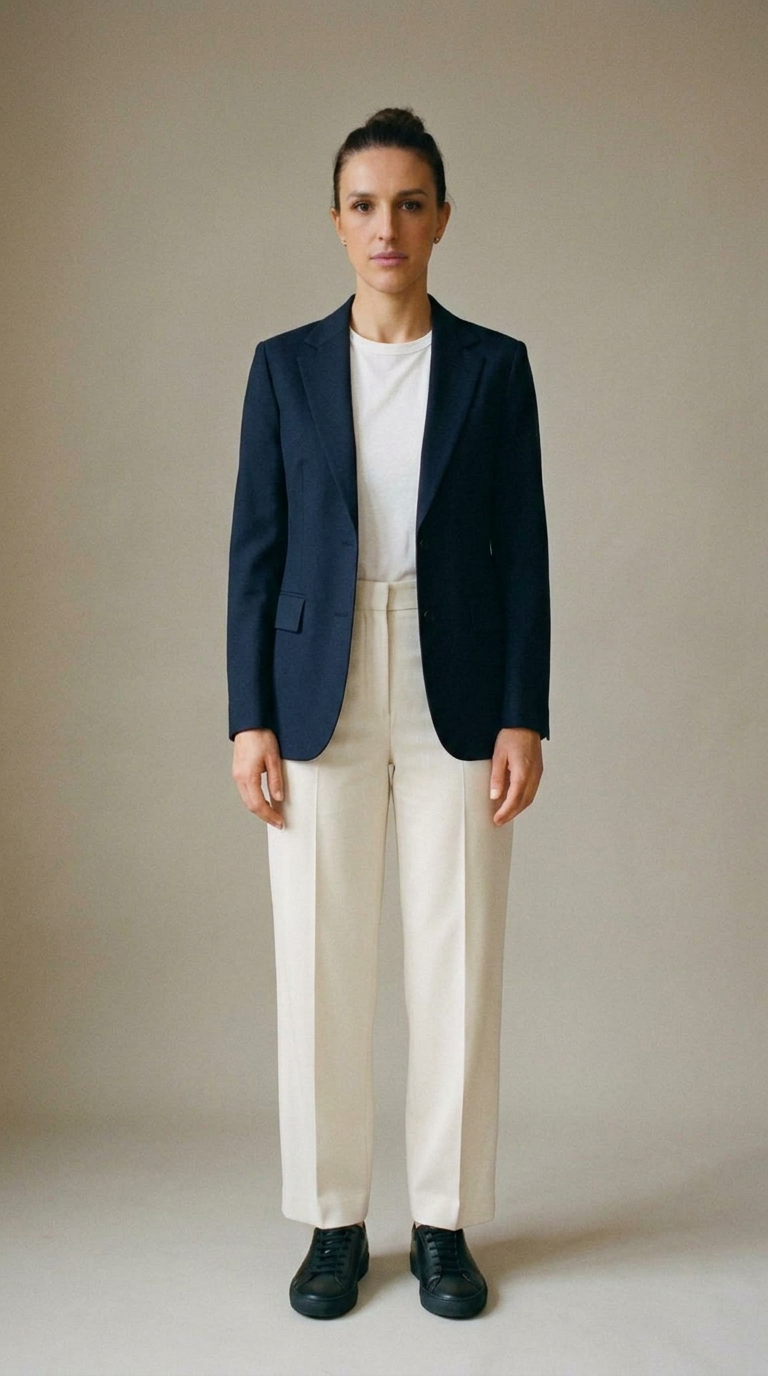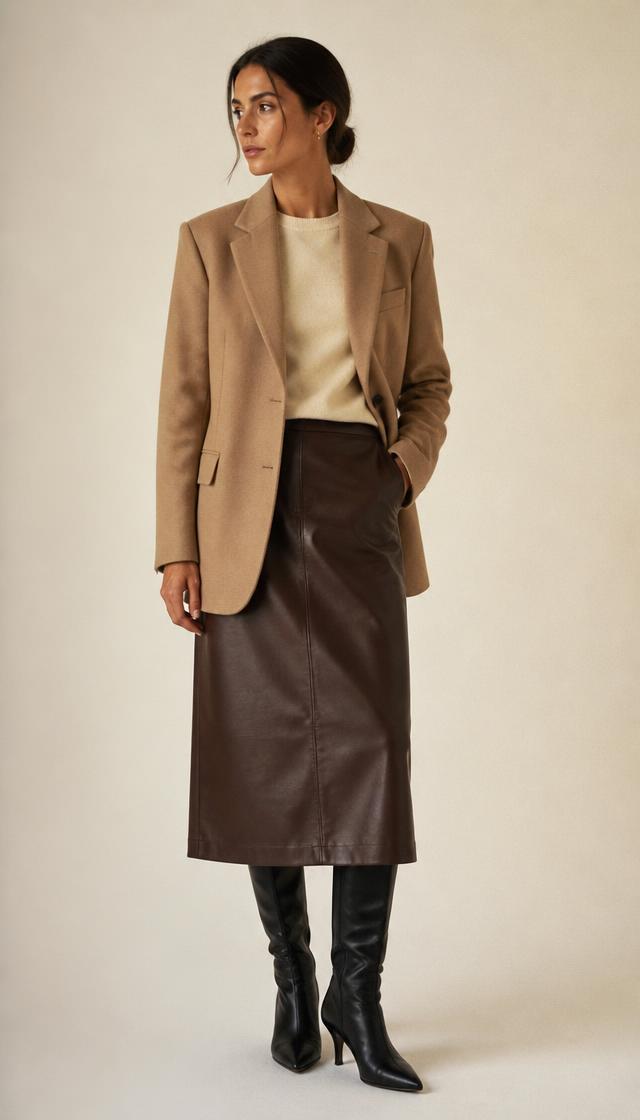
Wear·Neutral palette
How to build a neutral colour palette.
Fewer colours, chosen to sit beside each other without a single clash.
Plan a neutral outfit- Minimalist
- Considered
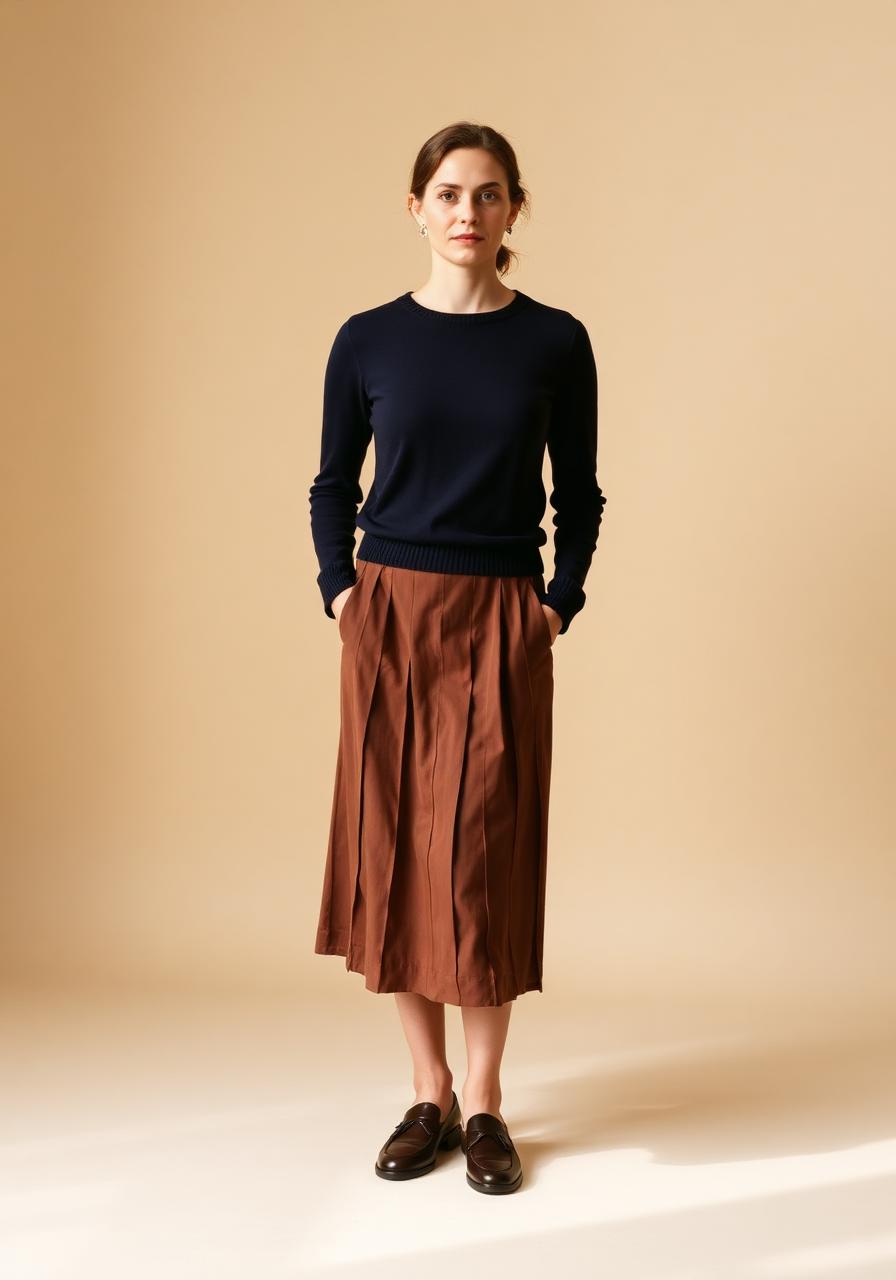
Dress · loafers 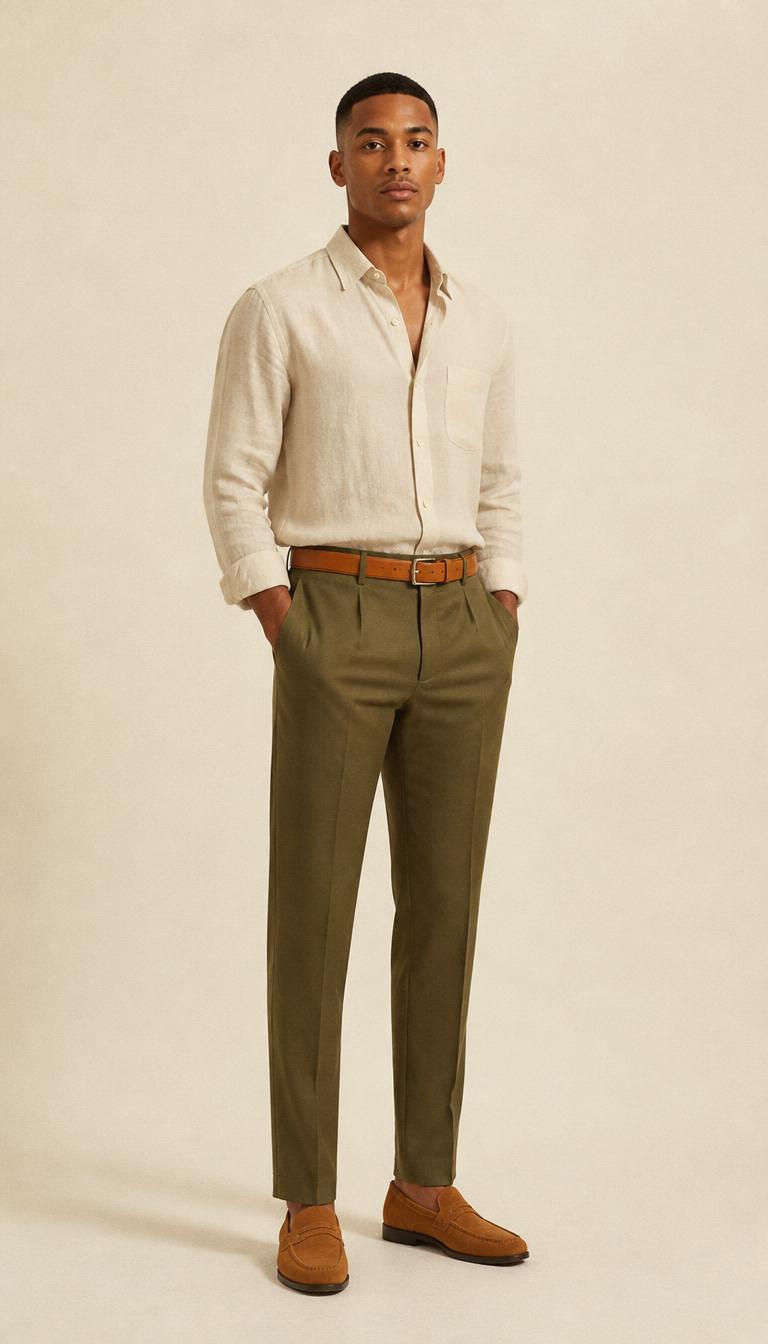
Trousers · loafers 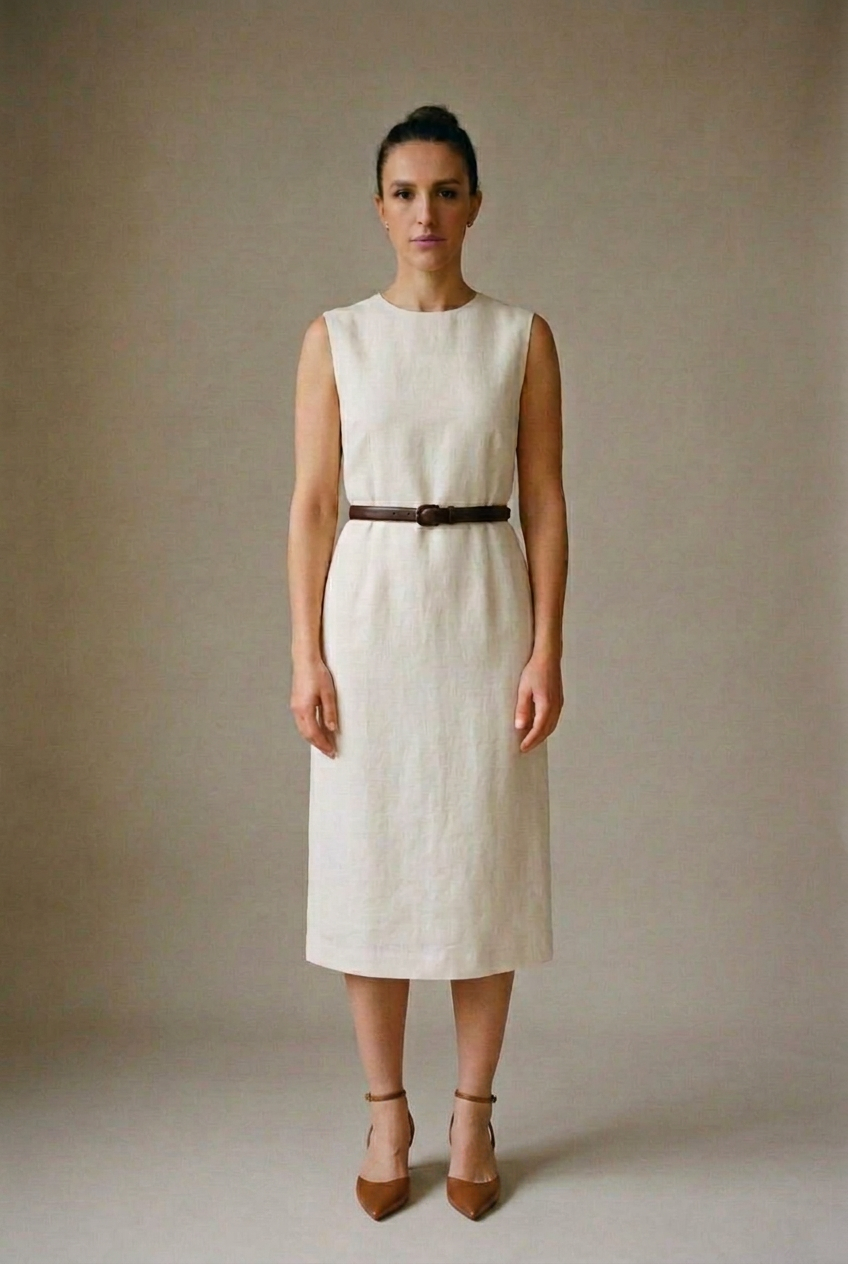
Dress · heels
The idea
A neutral palette isn't the absence of colour choices — it's making them once, carefully, so you never have to again.
Read more
The point isn't to avoid colour but to choose a narrow, considered range that always sits well together, so every new piece is judged against a palette you already trust rather than against nothing at all.
The capsule
- 1
One dark anchor
Ink, charcoal, or espresso — the tone everything else sits against.
- 2
One warm mid-tone
Camel, tan, or rust, chosen for your undertone rather than the season.
- 3
One light base
Ivory, stone, or oat — softer than bright white, easier to layer.
- 4
One true neutral
Grey or taupe, used to bridge the warm and cool pieces above.
- 5
One considered accent colour
A single non-neutral, worn sparingly enough to still feel deliberate.
Styling notes
Test candidate tones against pieces you already wear constantly, not against each other in isolation. A palette works when a new stone trouser sits easily beside every top already in the wardrobe — if it needs its own separate outfit, the tone probably doesn't belong in the palette.
Questions
How many colours should a neutral palette have?
+
Four to six tones is usually enough — a dark anchor, a warm mid-tone, a light base, a true neutral, and perhaps one accent. More than that starts to behave like a full colour wardrobe again.
Should a neutral palette be warm or cool?
+
Whichever suits your own colouring most — the palette should be chosen against your skin tone, not against a trend. Mixing warm and cool neutrals carelessly is what tends to clash.
Can a neutral palette include colour at all?
+
Yes — most work best with one small accent colour reserved for accessories or a single piece, rather than none at all. It keeps the palette from feeling austere.
The letter
One thoughtful style note every Sunday.
No trends. No noise. Just practical observations that make getting dressed easier.
Read a full issue firstTwo ways on
Where would you like to start?
One outfit, for today
Answer a few quiet questions — weather, occasion, what you own — and get one considered look, head to toe.
Compose my look →The whole wardrobe, read once
Your proportions, your palette, the twelve pieces worth owning and a season plan — written for you, in one document.
Build my style guide →One payment, no subscription.